In the realm of cinematography, the low angle shot is a powerful tool that can dramatically influence the audience’s perception of a character or scene. By positioning the camera below the subject and angling it upwards, filmmakers can convey a range of emotions and themes, from dominance and power to vulnerability and introspection.
Understanding Low Angle Shots
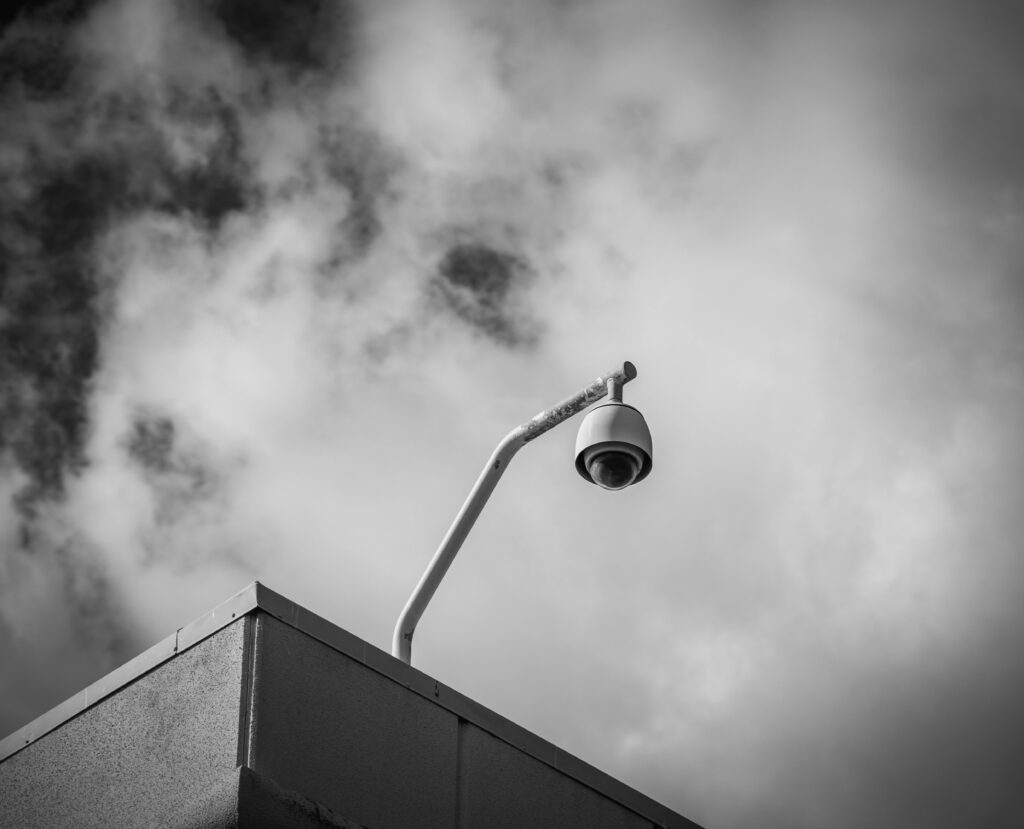
A low angle shot is captured from a camera placed below the subject’s eye line, looking up. This technique can make subjects appear larger, more imposing, or more significant within the frame. The degree of the angle can vary, with extreme low angles taken from near ground level, emphasizing the subject’s dominance or the viewer’s subordination.
Psychological Impact
Low angle shots can evoke various psychological responses:
- Power and Dominance: Characters filmed from a low angle often appear authoritative or intimidating. For instance, in “Star Wars,” Darth Vader is frequently shot from below, enhancing his menacing presence.
- Vulnerability: Conversely, low angles can also depict a character’s vulnerability, especially when the perspective aligns with a weaker character looking up at a threat.
- Heroism: Heroes are often portrayed using low angles to emphasize their strength and resilience, making them appear larger-than-life.
Techniques for Capturing Low Angle Shots
Achieving an effective low angle shot requires careful consideration of equipment and technique.
Essential Equipment
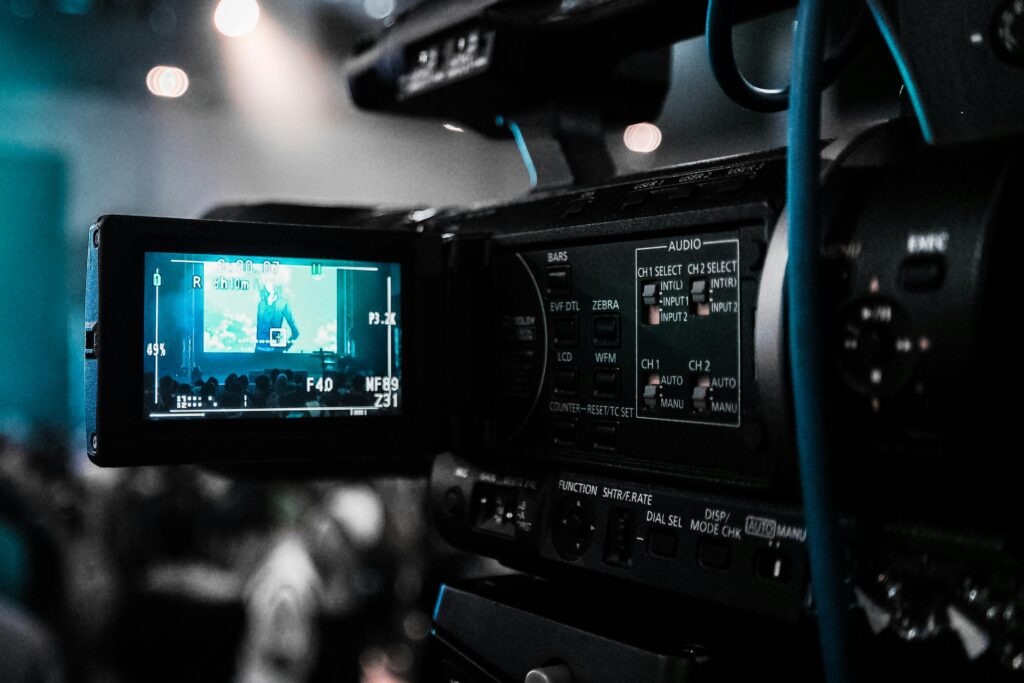
- Cameras with Articulating Screens: These allow for easier composition when shooting from low positions.
- Wide-Angle Lenses: Ideal for capturing expansive views and emphasizing the foreground.
- Stabilization Tools: Tripods with adjustable legs or gimbals help maintain sharpness and avoid camera shake.
Tips for Effective Execution
- Consider the Narrative: Ensure the low angle shot aligns with the story’s intent, whether to depict power, vulnerability, or another emotion.
- Mind the Background: Be aware of what’s in the background to avoid distractions and maintain focus on the subject.
- Lighting: Proper lighting is crucial to highlight the subject effectively and set the desired mood.
Iconic Examples of Low Angle Shots in Film
Many renowned films have utilized low angle shots to great effect:
- “Citizen Kane”: Orson Welles employed low angles extensively to portray Charles Foster Kane’s dominance and ambition.
- “Pulp Fiction”: Quentin Tarantino’s signature “trunk shot” is a creative use of the low angle, placing the audience inside the trunk looking up at the characters.
- “The Dark Knight”: The Joker is often filmed from low angles, emphasizing his chaotic power and unpredictability.
Common Questions About Low Angle Shots
Filmmakers and enthusiasts often have questions about this technique:
- When should I use a low angle shot? Use it to convey power, vulnerability, or to provide a unique perspective that enhances the narrative.
- Can low angle shots be combined with other techniques? Absolutely. Pairing low angles with movements like dolly pushes can add dynamic tension to a scene.
- Are there risks to using low angle shots? Overuse can diminish their impact. It’s essential to use them purposefully to serve the story.
Conclusion
Mastering the low angle shot can significantly enhance your storytelling capabilities. By understanding its psychological effects, employing the right techniques, and studying its use in iconic films, you can effectively incorporate this powerful tool into your cinematic repertoire.