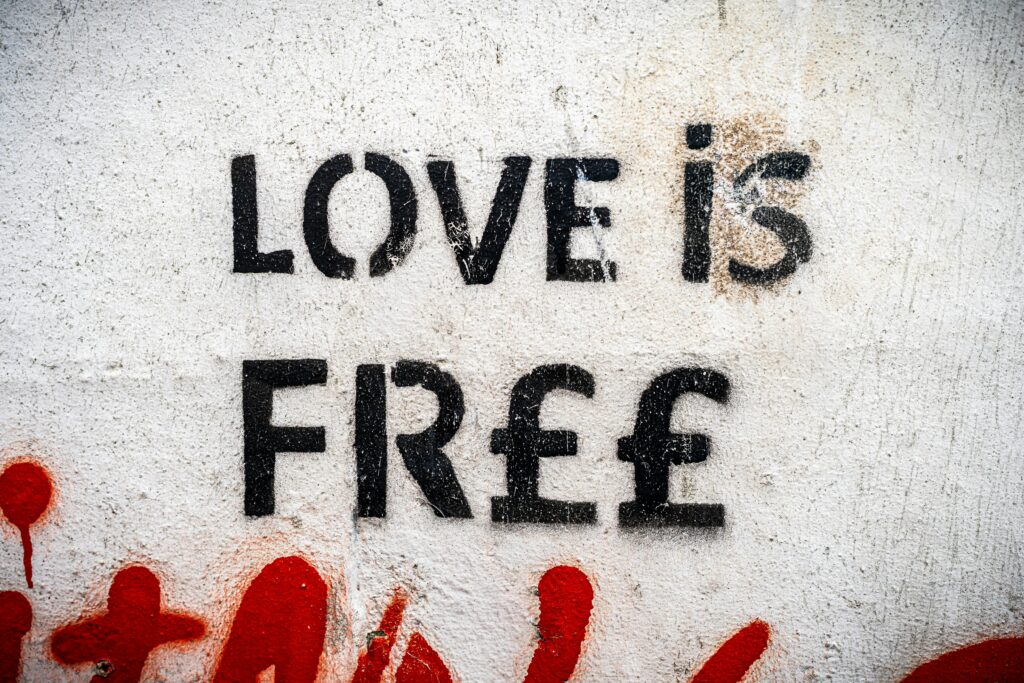
Satire has long been a powerful tool in literature and film, using humor, irony, and exaggeration to critique societal norms and provoke thought. By examining various satirical examples, we can better understand how this literary device influences audiences and shapes cultural discourse.
Understanding Satire: Definition and Purpose
Satire is a genre that employs humor, irony, and exaggeration to expose and criticize human follies and societal issues. Its primary aim is not merely to entertain but to encourage reflection and, often, reform. Satire can be categorized into three main types:
- Horatian Satire: Light-hearted and humorous, gently mocking societal norms to provoke thought. An example is the television show The Simpsons, which humorously critiques various aspects of American culture.
- Juvenalian Satire: Harsh and biting, targeting corruption or moral failings with scorn. George Orwell’s Animal Farm serves as a scathing critique of totalitarian regimes.
- Menippean Satire: Abstract and less structured, blending styles to satirize flawed thinking or ideologies. Lewis Carroll’s Alice in Wonderland satirizes Victorian society and its rigid norms.
Satirical Examples in Literature
Jonathan Swift’s “A Modest Proposal”
Published in 1729, Swift’s essay suggests that impoverished Irish families might ease their economic troubles by selling their children as food to the wealthy. This shocking proposal satirizes the British government’s neglect and the heartless attitudes toward the poor, highlighting the dire state of Ireland under British rule.
George Orwell’s “Animal Farm”
Orwell’s 1945 novella uses a farmyard fable to satirize the Russian Revolution and the rise of Stalinism. The story illustrates how revolutionary ideals can be corrupted, leading to a society where “all animals are equal, but some animals are more equal than others.”
Mark Twain’s “The Adventures of Huckleberry Finn”
Twain’s novel critiques the entrenched racism and moral hypocrisy of the antebellum South. Through Huck’s journey, Twain exposes the absurdities of a society that professes Christian values while perpetuating slavery and discrimination.
Satirical Examples in Film
Stanley Kubrick’s “Dr. Strangelove”
This 1964 film satirizes Cold War politics and the absurdity of nuclear deterrence. By portraying the potential for accidental nuclear war, Kubrick highlights the dangers of political and military hubris.
Adam McKay’s “Don’t Look Up”
Released in 2021, this film uses the metaphor of an impending comet impact to satirize political inaction and media sensationalism in the face of global crises, particularly climate change. It critiques society’s tendency to prioritize entertainment over pressing scientific realities.
“South Park”
The animated series is renowned for its irreverent satire of politics, society, and pop culture. By exaggerating real-world issues, it challenges viewers to question authority and societal norms.
Common Questions About Satire
What is the purpose of satire?
Satire aims to expose and criticize societal flaws, encouraging reflection and, ideally, reform. It uses humor and irony to make serious topics more approachable and thought-provoking.
How does satire differ from parody?
While both use humor, satire critiques societal issues or individuals to provoke thought, whereas parody imitates a specific work or genre for comedic effect without necessarily offering criticism.
Can satire be misunderstood?
Yes, satire can be misinterpreted, especially if the audience is unaware of the context or the issues being critiqued. This misunderstanding can lead to unintended offense or the perpetuation of the very ideas the satire aims to criticize.
Is satire always humorous?
While satire often employs humor, its primary goal is to provoke thought and critique. Some satirical works may be more serious in tone, using irony and exaggeration without overt humor.
What are some modern examples of satire?
Modern examples include television shows like The Daily Show and Last Week Tonight with John Oliver, which use satire to comment on current events and politics.
Conclusion
Satire remains a vital tool in literature and film, offering a lens through which we can examine and critique societal norms and issues. By understanding and appreciating satirical works, we engage in a tradition that challenges us to think critically and, perhaps, inspire change.