Film noir, translating to “black cinema,” emerged in the 1940s and 1950s as a distinctive style characterized by its dark themes and visual aesthetics. Central to this style is its cinematography, which employs specific techniques to evoke mood and narrative depth.
Defining Film Noir Cinematography
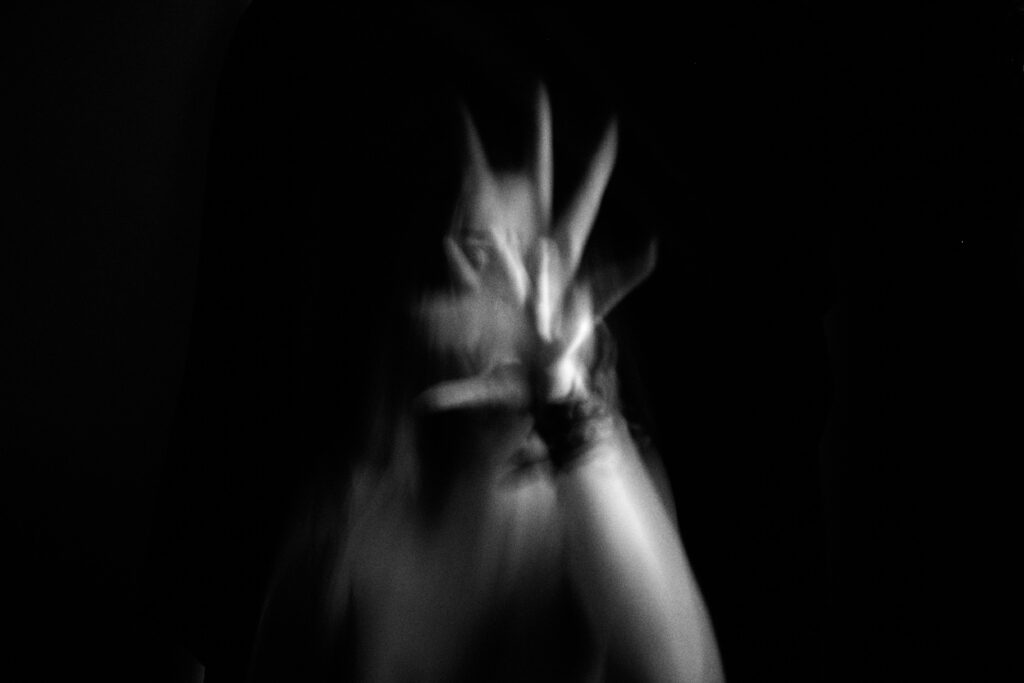
Film noir cinematography is marked by its use of low-key lighting, creating stark contrasts between light and shadow, a technique known as chiaroscuro. This approach enhances the sense of mystery and moral ambiguity prevalent in noir narratives. Additionally, unconventional camera angles and deep focus shots are employed to reflect the psychological states of characters and the tension within the story.
Historical Influences on Film Noir Visuals
The visual style of film noir draws heavily from German Expressionism, a movement that utilized exaggerated sets and lighting to convey emotion. Films like “The Cabinet of Dr. Caligari” (1920) showcased distorted perspectives and painted shadows, creating a surreal and unsettling atmosphere. These techniques were adapted by noir cinematographers to depict the internal turmoil of characters and the moral complexities of their worlds.
Key Cinematographic Techniques in Film Noir
Low-Key Lighting and Chiaroscuro
Low-key lighting involves minimal illumination, producing deep shadows and high contrast. This method, rooted in chiaroscuro, emphasizes the duality of characters and situations, reinforcing themes of good versus evil and the blurred lines between them.
Unconventional Camera Angles
Film noir often employs high and low-angle shots to create a sense of unease and to portray characters in a particular light. For instance, low-angle shots can make characters appear powerful or menacing, while high-angle shots may suggest vulnerability or entrapment.
Deep Focus and Depth of Field
Utilizing deep focus allows multiple planes within a scene to remain in sharp focus simultaneously. This technique enables complex compositions where foreground and background elements interact meaningfully, adding layers to the narrative.
Iconic Cinematographers and Their Contributions
John Alton
John Alton is renowned for his work in films like “T-Men” (1947) and “The Big Combo” (1955). His mastery of low-key lighting and innovative use of shadows set a standard for the noir aesthetic. Alton’s book, “Painting with Light,” remains a seminal text on cinematography.
Gregg Toland
Although not exclusively a noir cinematographer, Gregg Toland’s work on “Citizen Kane” (1941) introduced deep focus techniques that influenced many noir films. His ability to maintain clarity across multiple planes added depth to the visual storytelling of the era.
Nicholas Musuraca
Nicholas Musuraca’s contributions to films like “Out of the Past” (1947) and “Cat People” (1942) are notable for their atmospheric lighting and composition. His work exemplifies the moodiness and psychological complexity inherent in film noir.
Modern Applications and Legacy
The influence of film noir cinematography extends into contemporary cinema, giving rise to the neo-noir genre. Films such as “Blade Runner” (1982) and “Se7en” (1995) adopt noir-inspired lighting and framing to create suspenseful and morally ambiguous narratives. Television series like “True Detective” also utilize these techniques to build tension and develop complex characters.
Common Questions About Film Noir Cinematography
- What defines film noir cinematography? It is characterized by low-key lighting, high contrast, unconventional angles, and deep focus to convey mood and narrative depth.
- How did German Expressionism influence film noir? German Expressionism’s use of exaggerated sets and lighting to convey emotion heavily influenced the visual style of film noir.
- Who are some notable film noir cinematographers? John Alton, Gregg Toland, and Nicholas Musuraca are among the key figures who shaped the visual language of film noir.
- What is chiaroscuro lighting? Chiaroscuro is a lighting technique that uses strong contrasts between light and dark to create a sense of volume and depth.
- How does film noir cinematography affect storytelling? It enhances the narrative by visually representing themes of moral ambiguity, tension, and psychological complexity.
- What are some modern films influenced by film noir? Movies like “Blade Runner” and “Se7en” are examples of neo-noir films that draw heavily from classic noir cinematography.
- Why is low-key lighting used in film noir? Low-key lighting creates shadows and contrasts that reflect the dark themes and complex characters typical of film noir.
- What role do camera angles play in film noir? Unconventional angles, such as high and low shots, are used to convey power dynamics and psychological states.
Conclusion
The cinematography of film noir is integral to its enduring appeal, employing techniques that delve into the complexities of human nature and morality. Its legacy continues to influence filmmakers, demonstrating the power of visual storytelling in exploring the darker facets of the human experience.