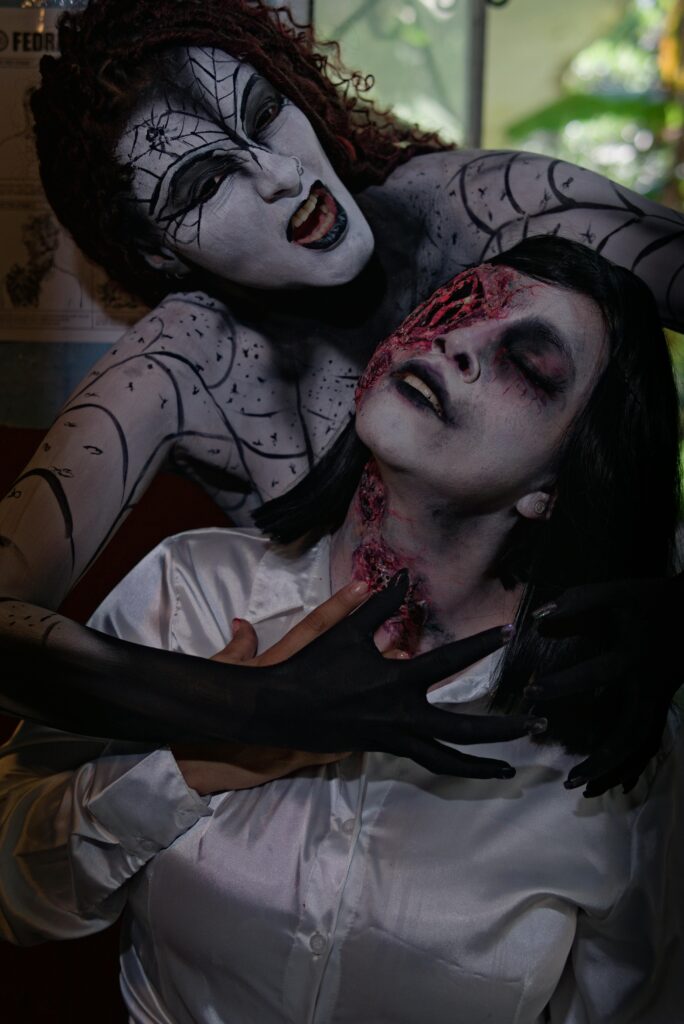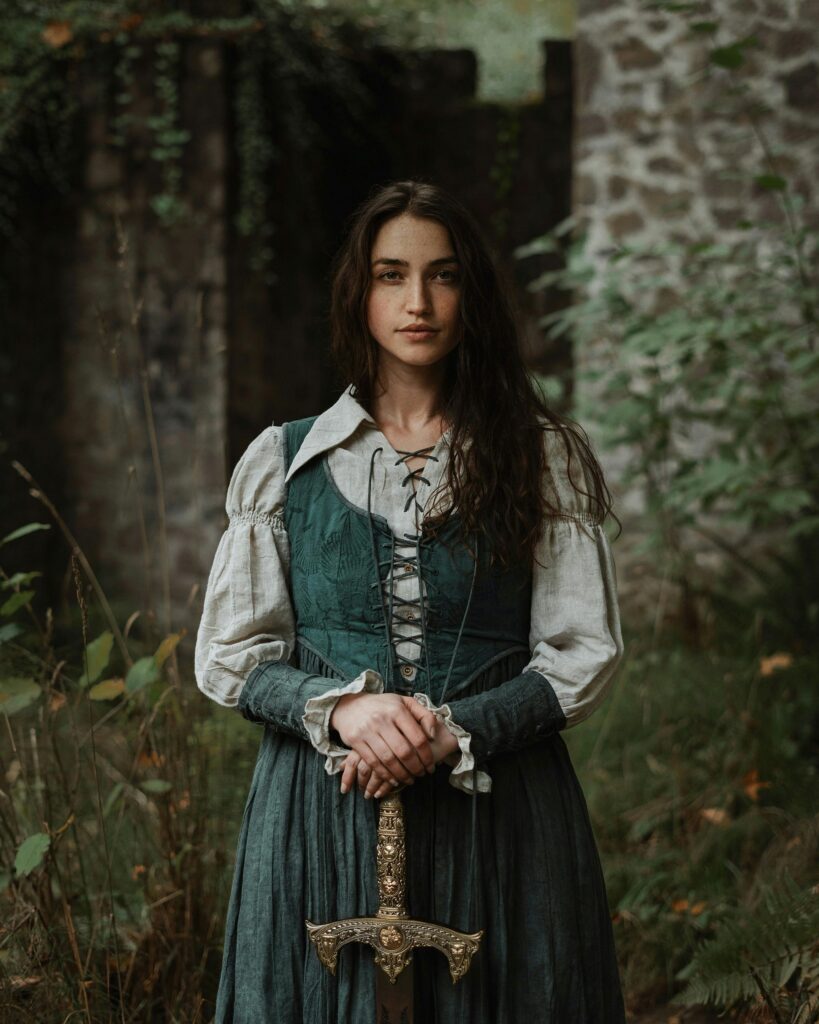
In the realm of literature, a vignette serves as a brief, evocative description, scene, or episode that focuses on a particular moment, character, idea, or setting. Unlike traditional narratives, vignettes do not adhere to a structured plot with a beginning, middle, and end. Instead, they offer readers a snapshot, immersing them in a specific atmosphere or emotion without the constraints of a complete storyline.
Defining the Vignette
The term “vignette” originates from the French word for “little vine,” referring to the decorative vine-like illustrations that adorned the borders of old books. In literary terms, a vignette is a short, descriptive passage that captures a moment in time, enhancing mood, developing character, or describing a setting without necessarily advancing the plot. This technique allows writers to delve deeply into a particular aspect of their story, providing readers with a rich, immersive experience.
Vignette vs. Short Story: Understanding the Differences
While both vignettes and short stories are concise forms of writing, they serve different purposes and possess distinct characteristics:
- Short Story: A complete narrative that includes a protagonist, conflict, and a structured plot with a beginning, middle, and end. Short stories are self-contained and aim to deliver a full story within a limited word count.
- Vignette: A brief, descriptive piece that focuses on a single moment or detail. Vignettes lack a traditional plot structure and do not necessarily resolve conflicts or develop a storyline. Instead, they aim to evoke a particular mood or provide insight into a character or setting.
As noted by the Oregon State Guide to Literary Terms, “A vignette is a short, descriptive passage that captures a moment in time. It can enhance a mood, develop a character, or describe a setting, but one thing a vignette doesn’t do is move along a plot.”
Characteristics of a Vignette
Vignettes are distinguished by several key features:
- Conciseness: Typically under 1,000 words, vignettes are brief yet impactful.
- Descriptive Language: Rich imagery and sensory details are employed to immerse the reader in the scene.
- Focus on a Single Moment: Vignettes capture a specific instance or detail, providing a snapshot rather than a complete narrative.
- Emphasis on Mood and Atmosphere: The primary goal is to evoke a particular feeling or mood, rather than to tell a complete story.
Examples of Vignettes in Literature
Vignettes have been effectively utilized by numerous authors to enhance their storytelling. For instance, Sandra Cisneros’ “The House on Mango Street” is a novel composed of a series of vignettes that explore themes of identity, culture, and community. Each vignette offers a glimpse into the protagonist’s experiences and surroundings, painting a vivid picture of her world.
Another example is Ernest Hemingway’s “In Our Time,” a collection that includes both short stories and vignettes. The vignettes serve to provide context and depth to the stories, offering readers a more immersive experience.
Writing a Vignette: Tips and Techniques
Crafting an effective vignette requires attention to detail and a focus on evoking emotion. Here are some tips to consider:
- Choose a Specific Moment or Detail: Focus on a particular aspect of a character, setting, or event that you want to highlight.
- Use Descriptive Language: Employ vivid imagery and sensory details to immerse the reader in the scene.
- Focus on Mood and Atmosphere: Aim to evoke a specific feeling or mood, rather than telling a complete story.
- Keep it Concise: Remember that vignettes are brief; every word should serve a purpose.
- Show, Don’t Tell: Allow readers to experience the scene through actions, thoughts, and sensory details, rather than through exposition.
As highlighted by MasterClass, “A vignette is a short passage that uses imagery to describe a subject in greater detail. Using descriptive language, a vignette helps readers visualize a character, a place, or a moment.”
Common Questions About Vignettes
Here are some frequently asked questions regarding vignettes:
- Can a vignette stand alone as a complete work? While vignettes are often part of a larger narrative, they can also stand alone as individual pieces that offer insight into a particular moment or detail.
- Do vignettes have a plot? Vignettes typically lack a traditional plot structure and do not necessarily resolve conflicts or develop a storyline.
- How long should a vignette be? Vignettes are usually brief, often under 1,000 words, focusing on a single moment or detail.
- Can vignettes be used in genres other than literature? Yes, vignettes can be found in various forms of media, including film and theater, where they serve to provide depth and insight into characters or settings.
- What is the purpose of a vignette? The primary purpose of a vignette is to evoke a particular mood or atmosphere, providing readers with a deeper understanding of a character, setting, or theme.
Conclusion
Vignettes are a powerful literary device that allow writers to focus on specific moments, characters, or settings, providing readers with a rich, immersive experience. By understanding the characteristics and purpose of vignettes, writers can effectively incorporate them into their work to enhance mood, develop characters, and enrich their storytelling.