Introduction to Dolly Moves in Filmmaking
In the realm of cinematography, dolly moves are instrumental in adding depth and dynamism to visual storytelling. By mounting a camera on a wheeled platform, filmmakers can achieve smooth, controlled movements that enhance the narrative’s emotional and visual impact.
Understanding the Dolly Shot
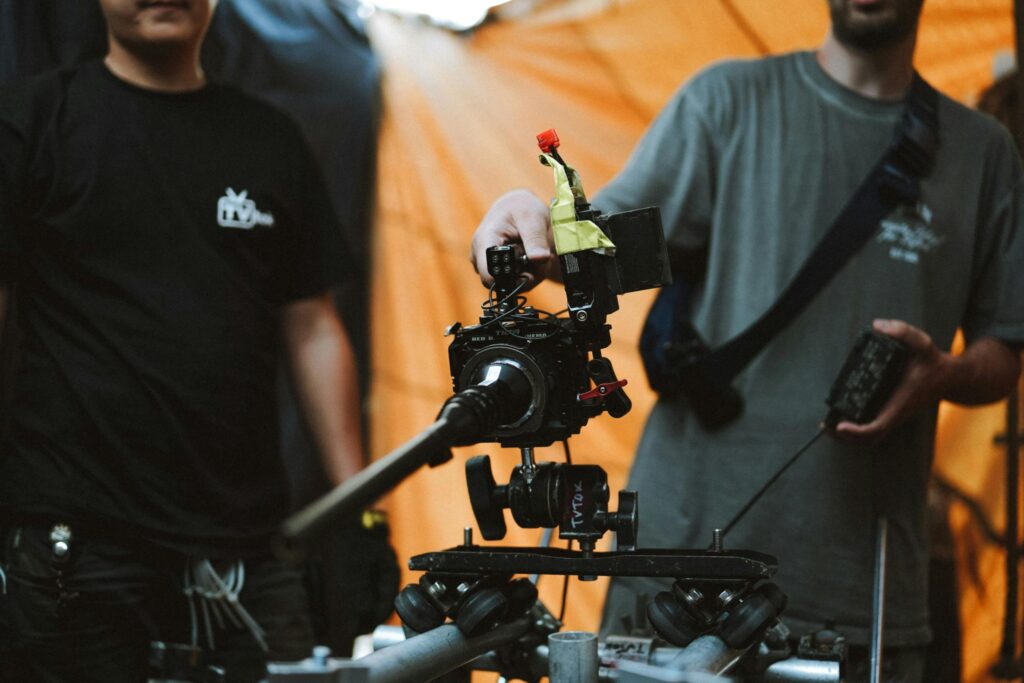
A dolly shot involves placing the camera on a dolly—a wheeled platform that moves along tracks or a smooth surface. This setup allows for fluid motion toward or away from a subject, or even lateral tracking, providing a versatile tool for directors and cinematographers.
Types of Dolly Shots
- Dolly In: Moving the camera closer to the subject to intensify focus and emotion.
- Dolly Out: Pulling the camera away to reveal context or create a sense of detachment.
- Tracking (Truck) Shot: Moving the camera horizontally to follow a subject’s movement.
- 360-Degree Dolly Shot: Circling around the subject to showcase surroundings or create dramatic effect.
- Dolly Zoom (Zolly): Combining a dolly move with a simultaneous zoom to distort perspective, often used to convey psychological tension.
Purpose and Impact of Dolly Moves
Dolly moves serve multiple purposes in filmmaking:
- Emphasizing Emotional States: A slow dolly in can draw viewers into a character’s internal experience, heightening emotional engagement.
- Revealing Information: Dollying out can unveil new elements within a scene, providing context or surprises to the audience.
- Enhancing Visual Interest: Dynamic movement adds a cinematic quality that keeps viewers engaged.
Planning and Executing Effective Dolly Shots
To successfully implement dolly moves, consider the following steps:
1. Storyboarding and Shot Listing
Plan each dolly shot meticulously, determining its purpose and how it fits within the scene’s narrative. This preparation ensures that the movement is motivated and enhances the story.
2. Budgeting and Equipment
Assess the budget for dolly equipment, which can range from professional track systems to more affordable options like slider dollies. Ensure the chosen equipment aligns with the project’s financial constraints and technical requirements.
3. Location Scouting
Evaluate shooting locations for suitability, considering factors like space for track placement and surface smoothness. Uneven terrain may require additional stabilization measures.
4. Scheduling
Allocate sufficient time for setting up and executing dolly shots, as they can be time-consuming. Plan these shots during periods when the crew is fresh to maintain energy and focus.
5. Shooting
During production, ensure that dolly moves are executed smoothly and in alignment with the planned shots. Coordination between the director, cinematographer, and dolly grip is crucial for achieving the desired effect.
Common Questions About Dolly Moves
What is the difference between a dolly shot and a zoom?
A dolly shot involves physically moving the camera toward or away from the subject, altering perspective and depth. In contrast, a zoom changes the focal length of the lens, magnifying or reducing the subject’s size without changing the camera’s position.
How do dolly shots enhance storytelling?
Dolly shots can intensify emotions, reveal new information, and add visual interest, thereby deepening the audience’s engagement with the narrative.
Are dolly shots suitable for low-budget productions?
Yes, filmmakers can utilize cost-effective alternatives like slider dollies or handheld stabilizers to achieve similar effects without significant financial investment.
What are some famous examples of dolly shots in film?
Notable examples include the dolly zoom in “Vertigo,” the tracking shots in “Goodfellas,” and the 360-degree dolly shots in “The Matrix.”
How do I choose the right dolly equipment?
Consider factors such as budget, desired shot complexity, and shooting environment. Research various dolly systems to find one that meets your project’s needs.
Can dolly shots be combined with other camera movements?
Absolutely. Combining dolly moves with pans, tilts, or zooms can create complex and engaging shots that enhance the visual storytelling.
What safety precautions should be taken when using a dolly?
Ensure that tracks are securely laid and free from obstructions. Communicate clearly with the crew to prevent accidents during movement.
How do dolly shots compare to Steadicam shots?
While both provide smooth movement, dolly shots require tracks and are ideal for controlled, linear motion. Steadicam shots offer more flexibility and are suitable for dynamic, handheld-style movement.
Conclusion
Mastering dolly moves can significantly elevate your filmmaking, providing tools to enhance storytelling through dynamic and engaging visuals. By understanding the types, purposes, and execution strategies of dolly shots, filmmakers can create compelling scenes that resonate with audiences.
For further reading on dolly shots and their applications, consider exploring the following resources: